
How Arrest Warrants Work in Hamilton County
Every Hamilton County criminal warrant starts with sworn facts. An officer lays them out in a complaint, an affidavit, or a written examination. Tennessee Rule of Criminal Procedure 4 and T.C.A. section 40-6-205 then require a judge or magistrate to find probable cause. That finding has two parts. The officer must show an offense occurred and that the named defendant committed it. Judicial Commissioners, listed at the Justice Building, conduct that probable-cause review and issue warrants in appropriate cases. They also set bond or release terms. County materials describe the workflow plainly: an affiant presents facts, the judicial officer authorizes process, and the clerk records what follows.
Hamilton County Arrest Warrants Begin With Probable Cause
No single Hamilton County office runs a warrant from start to finish. An officer swears to facts, a magistrate, judge, or judicial commissioner reviews probable cause, a clerk records the process, and a lawful officer serves it. Where the rules allow, a criminal summons can substitute. The affidavit does the heavy lifting; it is what the warrant rests on. If you have a question about a specific case, ask the Criminal Court Clerk which file or division holds it. The county's own Criminal Court Clerk's page describes the office that handles criminal records for the courts.
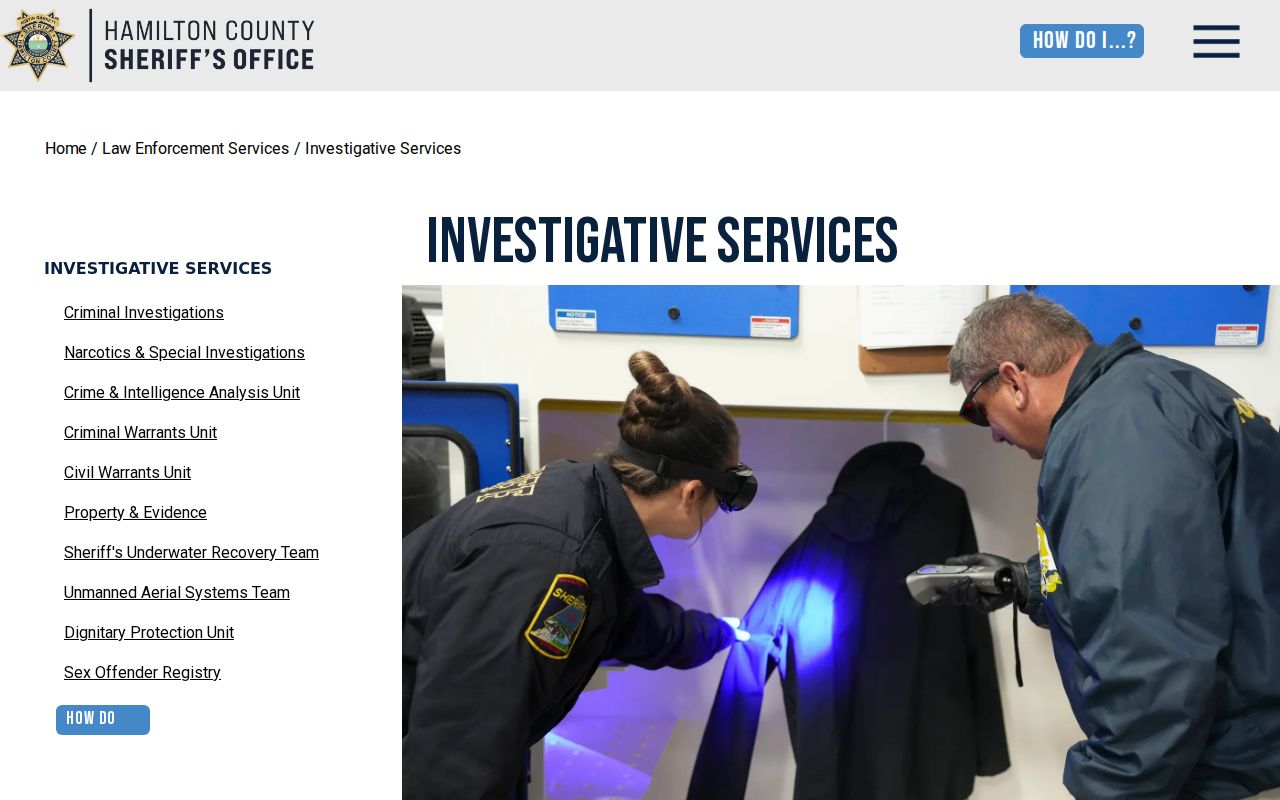
HCSO's unit executes criminal process for Hamilton County and coordinates with local, state, and federal courts. It never replaces the issuing court.
Arrest Warrants: What They Contain
Tennessee's blank General Sessions form is a useful map. It separates the case identifier, the alleged offense, the issuing authority, bond terms, and the officer return. The HCSO search publishes no guide to its result fields. Read the form as a schema, then ask the Hamilton County clerk what the actual file contains.
| Case / state control number | Different labels can identify the same file; HCSO accepts a warrant number but does not publish its format. |
|---|---|
| Charge / statute | The form names the alleged violation and Tennessee section. |
| Issuing authority | Judge, clerk, or judicial commissioner information appears on the form. |
| Bond and conditions | Ask the clerk what applies now; no universal county schedule is posted. |
| Officer return | Records whether service occurred or the person was not found. |
| Warrant format | Local format not published |
The blank form also carries sensitive identity fields. Hamilton County does not reproduce values from a live warrant or court row here.
placeholder
Hamilton County Arrest Warrant Numbers Need Clerk Confirmation
An arrest form out of General Sessions prints two numbers: a State Control number and a case number. Neither one is guaranteed to match the warrant-number field HCSO uses. Hamilton County publishes no local numbering pattern, and its public materials offer no glossary explaining each column of a result row. So call the clerk. Read the label on the form exactly as printed, then ask which number the clerk needs. A number can pull up the court file, sure. Only the clerk can speak to the warrant's current status.
How Warrants Get Served in Hamilton County
The General Sessions arrest form prints two numbers: a State Control number and a case number. Neither is necessarily the HCSO warrant-number field. Hamilton County publishes no local numbering pattern and no glossary of result rows. When you call, quote the label exactly as printed and ask the clerk which number to use next. A number on a form can find a court file. It cannot confirm current status by itself.
Hamilton County Warrant Service Has Several Agencies
Service in Hamilton County splits across several agencies. The HCSO Criminal Warrants Unit serves and transports; it does not decide probable cause. Deputies can serve process countywide. Municipal officers can seek judicial approval and serve city-court warrants, and East Ridge shows one city's published route. For a county arrest warrant, call HCSO at 423-209-7000 or the Criminal Court Clerk at 423-209-7500. HCSO publishes no direct public phone or walk-in schedule for the Criminal Warrants Unit itself. The HCSO's Investigative Services page identifies both the Criminal and Civil Warrants Units, which keeps the line between criminal execution and civil process clear.
Arrest Warrants, Summonses, and Bench Warrants
Three papers, three different next steps. A summons tells someone to appear in a Hamilton County court. An arrest warrant commands an officer to take a named defendant into custody. A bench warrant follows a pending-case event, such as a missed appearance or a court-order issue.
| Feature | Arrest Warrant | Summons | Bench Warrant |
|---|---|---|---|
| What it orders | Arrest and bring the defendant before court | Appear on the stated date | Bring a person back before the pending-case court |
| Basis | Probable-cause complaint or affidavit | Authorized alternative under Rule 4 | Missed appearance or court obligation |
| Issuing route | Judge, magistrate, or authorized commissioner | Court process where permitted | Judge handling the existing case |
| Next question | Ask about surrender, bond, and initial appearance | Confirm the court date and appearance rules | Ask whether reset, payment, or recall applies |
A summons is not an arrest order, but skipping its date can spawn later process. The bench-warrant page explains Hamilton County failure-to-appear routing.
placeholder
East Ridge Fugitive Division Serves Hamilton County Arrest Warrants
East Ridge shows how city service can run on its own track. The East Ridge Police Department's Fugitive Division serves warrants obtained through East Ridge City Court and then transports people to Hamilton County Jail. That arrangement does not mean HCSO issues every warrant, nor that other towns follow the same rule. A city-court matter belongs to the issuing city clerk, who can confirm status and any court action. For a county criminal warrant, go through HCSO and the Criminal Court Clerk. Ask first before visiting either office.
Handling an Arrest Warrant in Your Name
Start by making sure the record is truly yours, then find out which court issued the active warrant. A lawyer can call the clerk, ask whether a motion to recall or quash is on the table, and map out a surrender or walk-through that fits your case. The sheriff's office, HCSO, sends anyone turning themselves in voluntarily to Hamilton County Jail at 601 Justice Way. It posts no set appointment slot or public consultation window for that visit, so the timing is something to sort out with counsel first. Money is the other piece. HCSO states that cash bonds go through the Criminal Court Clerk at the Courts Building, 600 Market Street. Hamilton County publishes no countywide bond schedule and no single list of accepted payment methods, so confirm the exact amount and how you can pay with the clerk before you go.
Important: A confirmed arrest warrant may lead to custody. Speak with counsel or the issuing clerk about the safe surrender, bond, or court-motion route before acting.
Bond in Hamilton County covers release and getting you to court, nothing more. The charge itself stays open, so hold on to your release papers and ask the clerk for the next court date.
Federal Warrants Sit Outside Hamilton County's Search
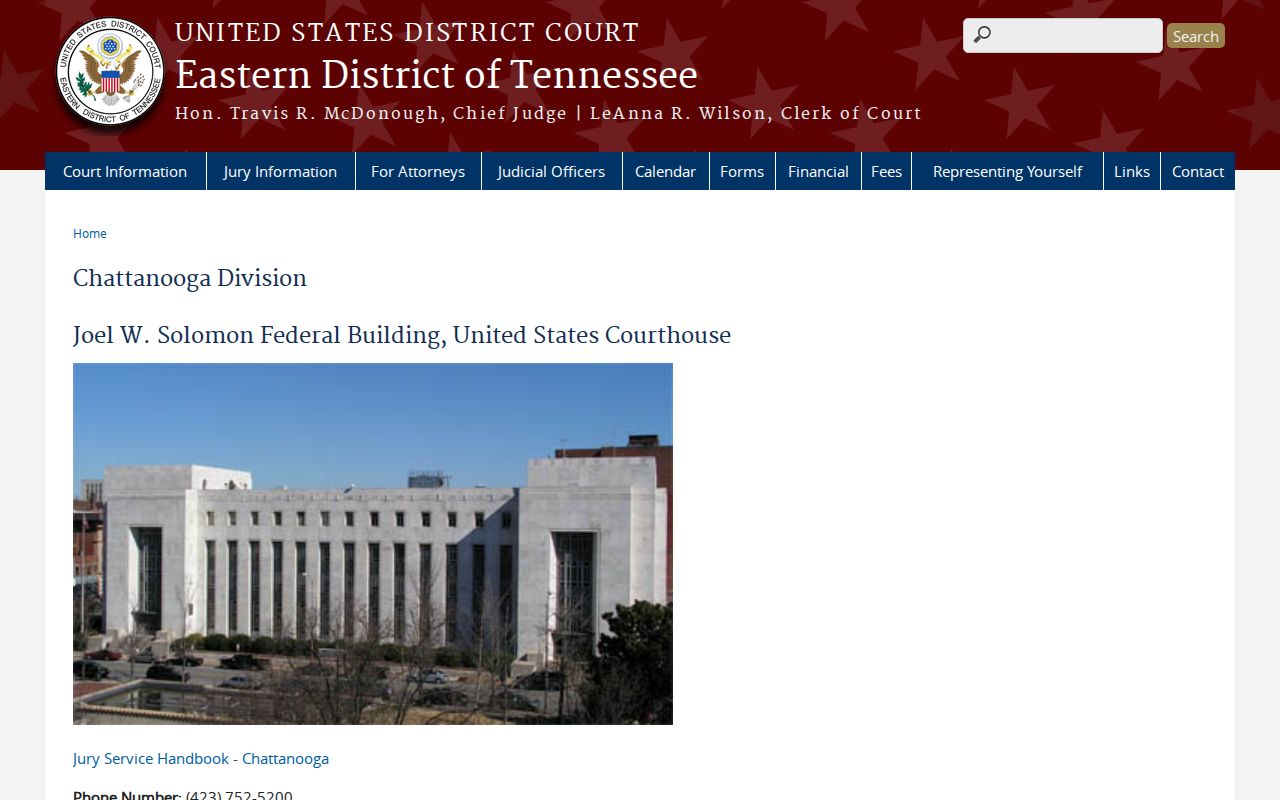
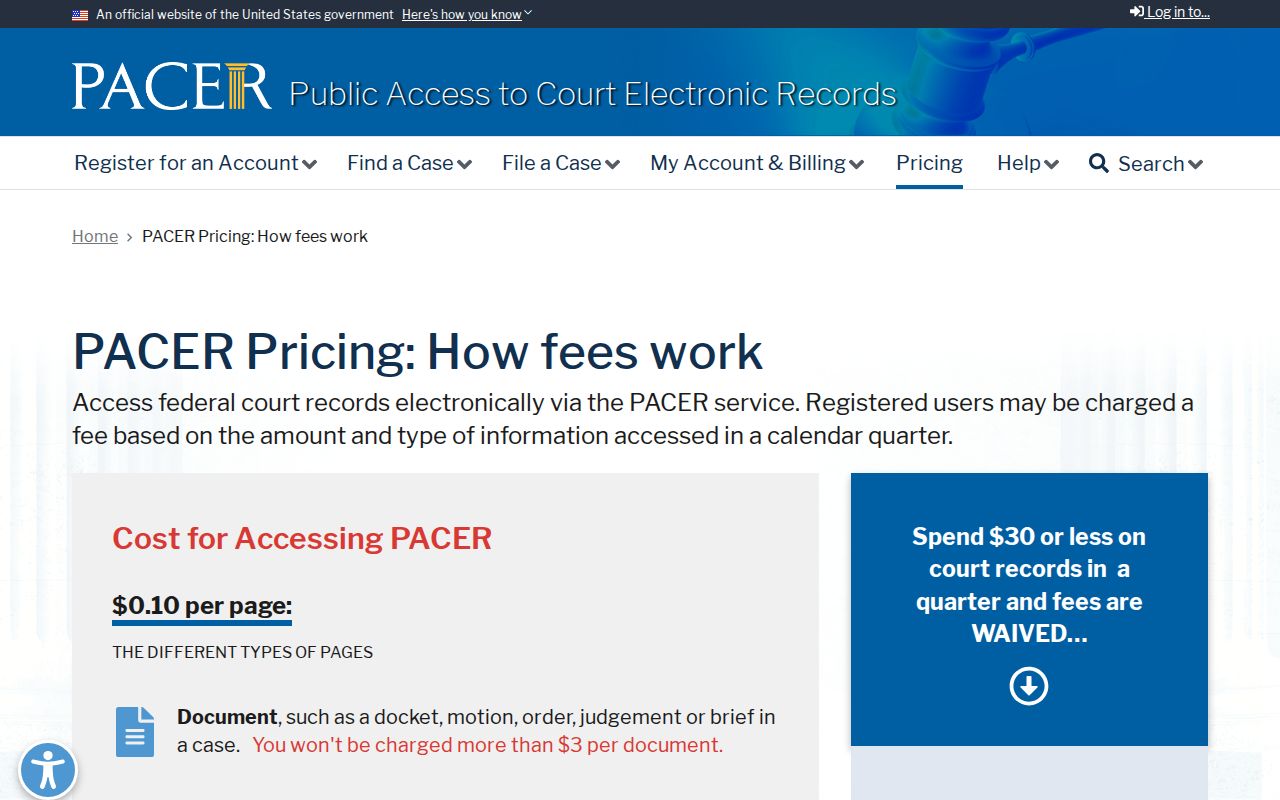
Federal cases run on a different track. A federal criminal matter belongs to the Eastern District of Tennessee and its own service channels, not to HCSO's county warrant list. The Joel W. Solomon Federal Building houses the local federal court, and the Chattanooga federal courthouse page lists that building. PACER shows public docket information for a fee, though sealed warrant material stays hidden there. A blank Hamilton County search proves nothing about federal process. For a federal warrant question, talk to federal counsel, the federal clerk, or the U.S. Marshals.
Source image: PACER's pricing page explains federal docket access charges.
Use those federal channels for a federal warrant question. Just remember they are not a Hamilton County warrant portal.